
TMJ Disorder Symptoms: A Comprehensive Guide to Jaw Pain and Treatment Options

Have you ever experienced a sudden clicking sensation or sharp pain in your jaw while speaking or chewing? These symptoms may be indicative of TMJ Disorder. This guide aims to outline the key warning signs, underlying causes, and effective treatment options, providing clarity and direction to help restore proper jaw function and relieve discomfort.

What Is TMJ Disorder?

TMJ stands for temporomandibular joint. You have one on each side of your jaw, and they act like hinges that connect your jaw to your skull. When something’s wrong with these joints—whether it’s the joint itself, the muscles, or nearby tissue—it’s called a TMJ Disorder or TMD.

This condition affects how your jaw moves. It might cause pain, limit motion, or produce sounds that weren’t there before. And it doesn’t just happen overnight. Sometimes, it builds up from small problems you don’t even notice at first.

Common Symptoms of TMJ Disorders

Everyone’s experience with TMJ disorder can feel a little different, but there are some signs that show up more often than others.

Look out for:

  • Pain or tenderness around your jaw, face, or ears
  • Clicking, popping, or grinding when you move your jaw
  • Trouble chewing or a sudden change in how your teeth come together
  • Headaches that start at the temple or behind the eyes
  • A jaw that locks open or closed

Even shoulder or neck pain can trace back to this issue. If you’re noticing more than one of these signs, it’s time to pay attention.

Causes and Risk Factors

So, what leads to TMJ trouble? The causes vary, and sometimes it’s not just one thing. Here’s what might be going on behind the scenes:

  • Teeth grinding (especially at night)
  • Jaw injury or trauma
  • Arthritis, including osteoarthritis or rheumatoid arthritis
  • Stress that leads to muscle tension or jaw clenching
  • Improper posture, particularly involving the neck and shoulder areas

There’s also a genetic component. Some people are just more prone to joint problems. If your parents struggled with similar issues, you might too.

When to See a Doctor or Dentist

Mild jaw discomfort now and then isn’t always serious. But if pain keeps coming back—or sticks around—you shouldn’t ignore it. Early help can prevent things from getting worse.

You should see a Weymouth dentist if:

  • The pain interferes with eating or speaking
  • You can’t open or close your mouth completely
  • Over-the-counter pain relief doesn’t help
  • You notice swelling or a shift in your bite

Waiting doesn’t help TMJ disorders go away. Getting a proper diagnosis is the first step toward real relief.

Diagnosis and Assessment Techniques

When you visit a dental office for jaw pain, expect a hands-on exam. The dentist will:

  • Listen for clicks or pops
  • Check your bite and jaw movement
  • Feel for tenderness or tightness
  • Ask about your medical history and habits (like teeth grinding)

Sometimes, imaging tools like X-rays or a CT scan help rule out other issues. The goal? Find out exactly what’s causing your pain so treatment can target the problem, not just mask it.

Treatment Options for TMJ Disorder

There’s no one-size-fits-all fix. But that’s actually good news—it means you can try a few options to see what your body responds to.

At-Home Remedies

Start here if your symptoms are still manageable:

  • Apply a warm compress to help ease muscle tension
  • Eat soft foods to give your jaw a break
  • Gently stretch your jaw muscles (ask your dentist for techniques)
  • Avoid gum and wide yawns

Also, work on reducing stress. Simple breathing exercises or journaling can reduce jaw clenching without you even realizing it.

Medical Treatments

If home care isn’t enough, it’s time to bring in expert help.

  • Custom mouthguards – These reduce clenching or grinding at night
  • Anti-inflammatory medication – Helps ease swelling and pain
  • Physical therapy – Strengthens jaw muscles and improves motion
  • Injections – Sometimes used to relax muscles or reduce inflammation

That’s why seeking TMJ/TMD Treatment in Weymouth can make a real difference. Having expert care close to home means you get the attention you need when you need it. Easy follow-ups, personalized guidance, and a team that understands your pain—everything is right here, focused on helping you feel better and get back to living comfortably.

Advanced or Surgical Interventions

Most people don’t need surgery. But if your TMJ disorder is severe or caused by structural damage, surgical options might help.

These include:

  • Arthrocentesis (flushing the joint)
  • Arthroscopy (using small tools through tiny incisions)
  • Open-joint surgery (only when absolutely necessary)

These are last resorts, not first steps. And only after other treatments have been tried.

Lifestyle Tips for Managing TMJ Pain

What you do daily makes a huge difference in how TMJ symptoms behave. Here are changes that can lead to real results:

  • Stay mindful of posture—especially at your desk or while using your phone
  • Limit caffeine—it can increase muscle tension
  • Avoid chewing on pens or ice
  • Practice jaw awareness—check in with yourself when stressed
  • Schedule regular dental visits—monitor your bite and jaw health

Finding a dentist near you who understands TMJ makes it easier to get tailored advice that fits your lifestyle.

Final Thoughts: Find Relief, Restore Function

Don’t let jaw pain hold you back any longer. With the right support and treatment, relief is possible—and it starts today. Weymouth Dental Associates is here to guide you every step of the way. Book your visit now and take the first step toward lasting comfort and restored jaw movement. Your smile—and peace of mind—deserve it.
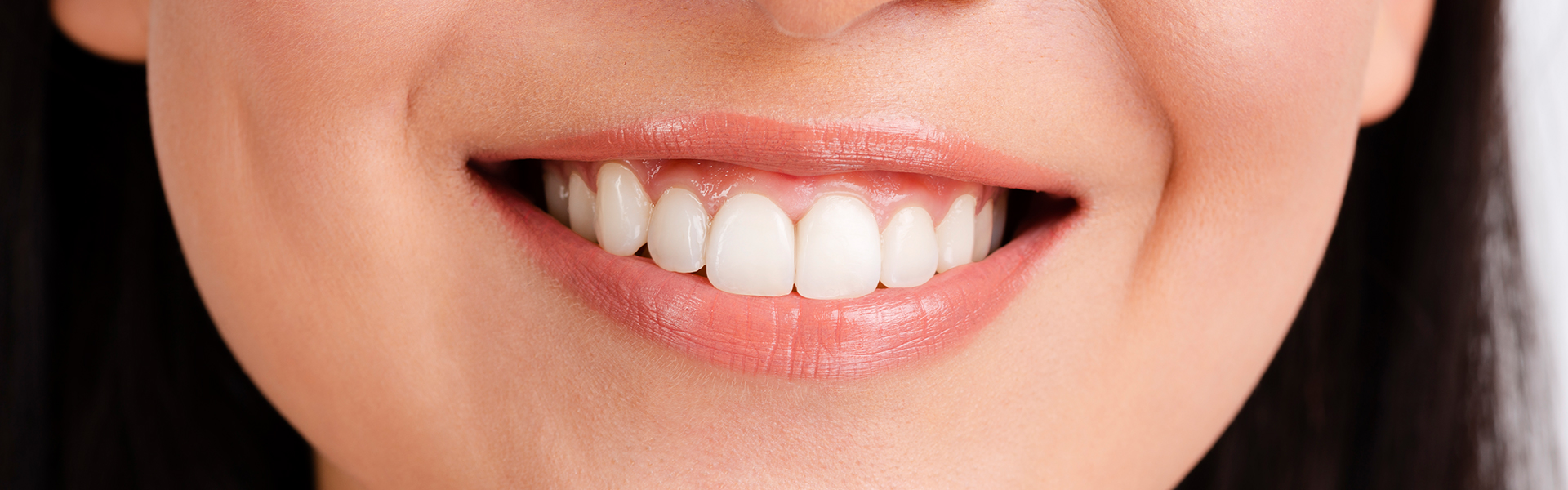
The Benefits of a Complete Smile Makeover for Your Appearance and Health

Ready to stop concealing your smile and start showing it off? Smile makeovers are changing lives—one confident grin at a time. Whether it’s stains, gaps, or crooked teeth, a transformed smile can boost more than just looks. It can uplift your mood, reshape your face, and even improve your health. Let’s break it down.

Boosting Confidence with a Radiant Smile

A confident smile isn’t about vanity. It’s about living fully. When your teeth are crooked, discolored, or chipped, it can slowly chip away at your self-confidence. You might avoid dating, smiling in public, or even speaking up at work.

But once your smile is restored?

  • You feel lighter.
  • You speak without hesitation.
  • You smile without holding back.

Think of a smile makeover like updating your wardrobe—but for your face. People notice when someone walks into the room with confidence and a grin to match. And if you’ve ever searched for a Dentist near you, hoping to find someone who can truly transform your smile, you’re on the right track.

Enhancing Facial Harmony and Aesthetics

Your teeth do more than chew food—they shape your entire face. Missing teeth or misalignment can cause sunken cheeks or uneven lips. A smile makeover can bring back facial balance and structure, especially when combined with procedures like veneers, bonding, or even orthodontics.

Some things a complete makeover might address:

  • Tooth length and width: Longer teeth can make your face appear more youthful.
  • Color consistency: Whitened, even-toned teeth help you look healthier and well-groomed.
  • Symmetry: When your smile aligns, so does the overall structure of your face.

A balanced smile brings harmony to your entire look. And it’s not about perfection—it’s about making small changes that create a big difference.

Want to see real results? The benefits of Smile Makeovers go far beyond just whiter teeth—many patients are truly amazed at how much their facial appearance improves after their transformation.

Improving Bite Function and Jaw Alignment

A good-looking smile is just the start. What goes on beneath the surface matters just as much. Poor bite alignment can cause:

  • Jaw pain
  • Frequent headaches
  • Difficulty chewing
  • Uneven tooth wear

A smile makeover doesn’t just fix surface-level issues. It can address bite alignment, straighten out crooked teeth, and relieve the pressure on your jaw.

Let’s say you’ve always had an overbite or your teeth just never felt like they “fit” right. Fixing these issues doesn’t just make eating easier—it can also reduce long-term damage to your enamel and jaw joints.

If you’re working with a Weymouth dentist trained in advanced restorations and functional corrections, you’ll notice a difference every time you eat or speak.

Supporting Better Oral Health

When your teeth are in better shape, it’s easier to care for them. That’s a fact. Straight, even teeth reduce the chance of:

  • Food is getting trapped between crooked teeth
  • Bacteria hiding in hard-to-reach areas
  • Plaque buildup due to uneven brushing surfaces

The truth? Healthy-looking smiles are often healthier smiles. When your dental structure improves, so does your daily hygiene. Flossing becomes more effective. Brushing becomes faster. You’re simply more likely to maintain oral hygiene when your mouth is easy to clean.

Plus, if you’ve been putting off dental visits because you felt embarrassed about your teeth, a makeover can help break that cycle. Choosing Cosmetic Dentistry near you gives you the tools and encouragement to keep your new smile shining bright.

Promoting Overall Health and Well-being

Oral health isn’t separate from the rest of your body—it’s connected. Bad teeth and gum disease have been linked to more than just cavities. Research shows relations between poor oral health and conditions such as:

  • Heart disease
  • Diabetes
  • Respiratory infections
  • Premature birth in pregnant women

If your teeth are misaligned, missing, or decayed, it’s harder to eat nutritious food. If your gums are inflamed, that bacteria may spread into your bloodstream. It all adds up.

That’s why people searching for Smile Makeovers in Weymouth often realize they’re not just investing in a smile—they’re investing in better long-term health.

What to Expect from a Smile Makeover

Not sure what’s involved? Here’s a quick breakdown of what your transformation might include:

  • Teeth Whitening – for a brighter, cleaner smile
  • Porcelain Veneers – to cover cracks, chips, or discoloration
  • Dental Implants or Bridges – to fill in missing teeth
  • Orthodontics (Braces or Aligners) – to align your bite and teeth
  • Bonding and Contouring – to smooth and shape teeth for symmetry

Each smile makeover is personalized. Your treatment plan is designed just for you. No one-size-fits-all here.

Final Thoughts

Take the first step toward a more confident and healthier you. At Weymouth Dental Associates, we personalize every smile makeover to match your goals and lifestyle. Don’t wait for a special occasion—make today the reason you smile brighter. Schedule your consultation now and discover how a radiant smile can change everything. Your transformation starts here.

Why is Invisalign a Preferred Option for Teeth Alignment?

A straight, healthy smile boosts confidence and improves oral health. Many people avoid traditional braces due to their noticeable appearance and discomfort. Invisalign in Weymouth, MA, offers a modern alternative, providing clear, removable aligners that gradually shift teeth into place. This effective, convenient, and nearly invisible treatment makes it a top choice for individuals looking for a discreet orthodontic solution.

What Makes Invisalign a Popular Choice?

  1. Discreet Appearance

Unlike traditional metal braces, Invisalign aligners are clear, making them barely noticeable. It is a significant advantage for professionals, teens, or anyone who wants a more subtle approach to orthodontic care. Whether at work, at social events, or in photos, Invisalign allows you to straighten your teeth confidently.

  1. Comfortable and Custom-Fit

Traditional braces can irritate due to metal brackets and wires. Invisalign aligners are constructed of smooth, flexible plastic that fits tightly over your teeth. It minimizes discomfort and eliminates the risk of cuts or sores in the mouth. The aligners are custom-made using 3D imaging technology, ensuring an optimal fit and effective movement of teeth.

  1. Removable for Convenience

One key benefit of Invisalign is that it can be taken out for eating, drinking, and practicing oral hygiene. Unlike braces requiring dietary restrictions, Invisalign allows you to enjoy all your favorite foods. Additionally, brushing and flossing are easier, reducing the risk of plaque buildup and cavities.

  1. Predictable and Precise Treatment

Invisalign treatment is based on advanced digital imaging, allowing for a precise, customized plan. Using 3D technology, a dentist can map out every stage of tooth movement before treatment begins. It ensures a more predictable outcome, giving patients a clear idea of how their smile will transform.

  1. Fewer Dental Visits and Adjustments

Unlike braces, which require frequent wire tightening visits, Invisalign patients receive multiple sets of aligners in advance. It means fewer appointments and more flexibility. You’ll only need periodic checkups to ensure your progress is on track, making Invisalign an excellent option for busy individuals.

How Effective is Invisalign for Teeth Alignment?

Invisalign is an extremely effective treatment for mild to moderate orthodontic situations. It works well for:

  • Crowded Teeth: Aligners gradually create space for properly aligned teeth.
  • Gaps Between Teeth: Invisalign gently closes spaces, improving appearance and function.
  • Overbite and Underbite: Aligners help correct minor bite misalignments.
  • Mild Tooth Rotation: Invisalign can realign slightly twisted teeth over time.

For more complex dental issues, Invisalign may need to be combined with other treatments. A consultation with a dentist near you will help determine if it is the right solution for your specific needs.

Are There Any Limitations?

While Invisalign offers many advantages, it requires discipline and commitment from the patient. Consider the following:

  • Consistent Wear is Crucial: To achieve the best outcomes, aligners should be worn for at least 20-22 hours per day. Removing them too often can slow progress.
  • Requires Proper Maintenance: Invisalign aligners should be cleaned regularly to prevent staining and bacterial buildup.
  • Not Ideal for Severe Cases: Invisalign best suits mild to moderate misalignment. Severe cases may require traditional braces or other orthodontic treatments.
  • May Cause Initial Discomfort: Mild soreness is normal as teeth shift, but it subsides within a few days of wearing a new aligner set.

What to Expect During Treatment?

  1. Initial Consultation

Your journey begins with a consultation at a Weymouth dentist, where your dentist will evaluate your teeth and discuss your goals. If Invisalign is a good fit, digital impressions will be made to build a personalized treatment plan.

  1. Receiving Your Aligners

Once your aligners are ready, your dentist will ensure a proper fit. You’ll receive a series of dental aligners, each slightly adjusted to move your teeth gradually.

  1. Progression Through Treatment

You’ll switch to a new set of aligners every one to two weeks, moving your teeth closer to their final position. Regular checkups will monitor your progress, but appointments are typically less frequent than with traditional dental braces.

  1. Completing Treatment

Depending on your case, Invisalign treatment usually lasts 6–18 months. After treatment, a retainer may be recommended to maintain your results and prevent shifting.

Is Invisalign Worth the Investment?

For many patients, Invisalign is worth the cost due to its discreet nature, comfort, and effectiveness. While it can be more expensive than traditional braces, many find that the benefits outweigh the cost. Factors influencing the price include treatment complexity, duration, and insurance coverage.

If you are considering Invisalign near you, discuss financing options with your dentist to make treatment more affordable. Some insurance plans cover Invisalign, and many dental offices offer payment plans to help spread the cost over time.

Final Thoughts

Invisalign is a modern, comfortable, and discreet way to straighten teeth without the hassle of conventional dental braces. With proper care and commitment, it delivers impressive results, improving the look and function of your smile.

If you’re ready to explore Invisalign, schedule a consultation at Weymouth Dental Associates to determine if this treatment is proper!

The Advantages of Lumineers for Patients with Sensitive Teeth

Patients with sensitive teeth often face challenges in cosmetic dental procedures. Traditional methods, such as veneers, may require enamel reduction, which can increase sensitivity. Lumineers for sensitive teeth provide a minimally invasive alternative, offering a natural-looking smile without compromising comfort.

What Are Lumineers?

Lumineers are ultra-thin dental veneers crafted from durable porcelain. Unlike traditional veneers, Lumineers require minimal enamel removal, preserving the tooth’s natural structure.

  • Key Features of Lumineers:
    • Ultra-thin, similar in thickness to a contact lens.
    • Durable and resistant to chips or stains.
    • Custom-made to fit each patient’s teeth perfectly.

If you are looking for a cosmetic dentist near you, you can explore Lumineers as a pain-free option for improving your smile.

How Lumineers Help Patients with Sensitive Teeth

Sensitive teeth require a gentle approach to cosmetic dentistry. Lumineers are specifically designed to accommodate these needs:

  • Minimized Tooth Preparation: Lumineers require little to no drilling to protect sensitive enamel.
  • Comfortable Fit: Their thin design ensures they blend seamlessly with natural teeth, avoiding added pressure.
  • Preserve Tooth Structure: Lumineers reduce the risk of increased sensitivity by retaining most of the natural enamel.

For patients seeking dental Lumineers, this option is ideal for enhancing aesthetics while maintaining comfort.

Advantages of Lumineers

Lumineers offer several benefits that set them apart from traditional veneers:

  • Non-Invasive Procedure: Minimal enamel removal eliminates the need for numbing injections, making the process more comfortable.
  • Reversible Treatment: Since the natural tooth structure remains intact, the process can be reversed if desired.
  • Natural Appearance: Lumineers are crafted to mimic the natural translucency of teeth, providing a flawless and realistic smile.
  • Durable Results: With proper care, Lumineers can last up to 20 years, offering long-term satisfaction.

Consulting a trusted dentist in Weymouth ensures personalized care and a tailored Lumineers solution.

Who Is a Candidate for Lumineers?

Lumineers are suitable for a variety of dental concerns:

  • Discolored Teeth: Lumineers cover deep stains that don’t respond to whitening treatments.
  • Chipped or Worn Teeth: They restore the appearance of damaged teeth without invasive procedures.
  • Gaps or Misalignment: Lumineers create a uniform appearance by covering gaps or mild misalignments.

Patients interested in Lumineers for sensitive teeth can discuss their concerns with a qualified cosmetic dentist to determine if this treatment is proper.

The Lumineers Process

The process of getting Lumineers is simple and typically requires two visits:

  1. Initial Consultation:
  2. During the first visit, the dentist checks and evaluates your oral well-being and discusses your smile goals. Impressions of your teeth are taken to create custom Lumineers.
  3. Application:
  4. The Lumineers are bonded to the teeth on the second visit using a specialized adhesive. The process is quick and painless, with no recovery time needed.

For a seamless experience, consult a Weymouth dentist skilled in Lumineers placement.

Caring for Lumineers

Maintaining Lumineers is straightforward and ensures their longevity:

  • Daily Brushing and Flossing: Maintain good oral hygiene to keep your Lumineers and natural teeth healthy.
  • Regular Dental Visits: Routine check-ups help monitor the condition of the Lumineers and ensure they remain securely bonded.
  • Avoid Hard Foods: While Lumineers are durable, biting on hard objects can cause damage.

Proper care ensures that Lumineers remain bright and intact for years to come.

Lumineers vs. Traditional Veneers

While both Lumineers and traditional veneers enhance the appearance of teeth, they differ in key ways:

  • Tooth Preparation: Traditional veneers often require enamel removal, while Lumineers preserve the natural tooth structure.
  • Procedure Length: Lumineers are quicker to apply, with fewer visits required.
  • Reversibility: Traditional veneers are permanent, while Lumineers offer a reversible option.

For patients seeking a non-invasive approach, Lumineers stand out as a gentle and effective solution.

How Lumineers Enhance Confidence

A bright, symmetrical smile has a profound impact on confidence and self-esteem. Lumineers offer a way to achieve this without discomfort or compromise.

  • Improved Appearance: Lumineers transform chipped, stained, or misaligned teeth into a flawless smile.
  • Enhanced Comfort: Their design ensures a natural feel, making it easy to smile, eat, and speak confidently.
  • Quick Results: The process is efficient, delivering noticeable improvements in just a few weeks.

Patients searching for a cosmetic dentist can trust Lumineers to deliver life-changing results.

Why Choose Weymouth Dental Associates?

The focus is on providing compassionate, expert care tailored to each patient’s needs. Lumineers are a popular choice for those seeking a comfortable, non-invasive way to improve their smile.

  • Experienced Professionals: The team specializes in placing Lumineers with precision and care.
  • Advanced Technology: Modern tools ensure a smooth, efficient process with excellent results.
  • Patient-Centered Care: Every treatment plan is customized to achieve each patient’s unique goals.

Choosing the right provider ensures that your Lumineers experience is both comfortable and successful.

Final Thoughts

Lumineers are a game-changer for patients with sensitive teeth, offering a minimally invasive solution that enhances both aesthetics and comfort. By preserving natural tooth structure and delivering long-lasting results, they stand out as an ideal choice for those looking to improve their smile.

At Weymouth Dentistry, patients benefit from advanced care and personalized treatment plans that prioritize comfort and satisfaction. Whether addressing discoloration, chips, or gaps, Lumineers provide a reliable path to a confident, radiant smile.

If you’re considering dental Lumineers in Weymouth, schedule a consultation today to explore this transformative treatment option.

Dental Implants: A Detailed Look at Types, Procedure, and Recovery

Your self-esteem and dental health aren’t the only things that might take a hit when you’re missing teeth. Dental implants offer a lasting solution by replacing missing teeth with a secure, natural-looking alternative. In this blog, we’ll discuss the types of dental implants, the procedure, and tips for a smooth recovery to help you feel prepared and informed.

What Are Dental Implants?

Dental implants are titanium posts surgically placed into your jawbone to act as a foundation for replacement teeth. These implants fuse with the bone, offering a stable base for crowns, bridges, or dentures.

Why choose dental implants?

  • Unlike dentures, implants are permanent and don’t slip or shift.
  • They preserve bone health by stimulating the jawbone, preventing bone loss.
  • They look and feel like your natural teeth.

For many, dental implants offer the best combination of durability, function, and aesthetics compared to traditional restorations.

Types of Dental Implants

Not all implants are the same. Let’s break down the most common options:

  • Endosteal Implants
    These teeth implants are the most popular choice, securely placed into the jawbone, making them suitable for those with adequate bone density. They provide a secure base for single or multiple teeth.
  • Subperiosteal Implants
    Subperiosteal implants are inserted beneath the gum line and above the jawbone in cases when conventional implants are not an option due to bone loss. These are often used for patients who cannot or choose not to undergo bone grafting.
  • Zygomatic Implants
    A solution for severe bone loss, zygomatic implants anchor into the cheekbone rather than the jaw. While less common, they are a life-changing option for patients with complex cases.

The dentist near you will help determine which type suits your needs based on your oral health and bone structure.

The Dental Implant Procedure: Step by Step

The process may sound extensive, but it’s straightforward when broken into steps:

  1. Consultation with Your Dentist

Your journey starts with a dentist appointment. During this visit, the Weymouth dentist will evaluate your oral health, review X-rays, and discuss tailored treatment options. They’ll explain the process in detail and answer any questions to make sure you feel confident and informed every step of the way.

  1. Preparation for the Implant

A personalized treatment plan is crafted for you. This may involve removing a damaged tooth or suggesting a bone graft if your jawbone lacks the necessary support. This step ensures your implant has a strong and reliable foundation.

  1. Placing the Implant

On the procedure day, your dentist will numb the area for comfort. A titanium post is then carefully placed into the jawbone, acting as the secure base for your future tooth.

  1. Healing and Osseointegration

Your jawbone begins fusing with the titanium post in a process called osseointegration. While healing takes time, this critical step ensures your implant is stable and long-lasting.

  1. Abutment Placement

Once healed, a small abutment is attached to the implant. This crucial part ensures a flawless fit and a natural appearance by joining the implant to the crown.

  1. Crown Placement

The final stage involves placing a custom-made crown designed to match your natural teeth. After securing it to the abutment, you’ll enjoy a fully functional and beautiful smile!

What to Expect During Recovery

Recovery after dental implants varies from person to person, but here’s a general timeline:

  • First Few Days: Swelling and mild discomfort are common but manageable with over-the-counter pain relief and ice packs.
  • First Week: Stick to soft foods like soups, mashed potatoes, and smoothies. Avoid chewing near the implant site.
  • Long-Term Healing: Most patients return to normal activities within a week, but osseointegration may take several months.

Tips for a smoother recovery:

  • Avoid smoking, as it can slow healing.
  • Follow your dentist’s care instructions closely.
  • Attend follow-up appointments to monitor progress.

Long-Term Care for Dental Implants

Dental implants in Weymouth, MA, can last a lifetime with proper care. Here’s how to maintain them:

  • Brush and floss daily to prevent bacterial plaque buildup.
  • Avoid hard or sticky food items that could damage the crown.
  • Visit your trusted local dentist regularly for teeth cleanings and oral health assessments.

Implants are durable, but maintaining your overall oral health is key to their longevity.

Who Is a Good Candidate for Dental Implants?

While implants are a fantastic option for many, they’re not right for everyone. You may be a good candidate if:

  • You have healthy gums and enough bone to support the implant.
  • You’re committed to maintaining good oral hygiene.
  • You don’t smoke, or you’re willing to quit during the healing process.

Conditions like untreated gum disease or insufficient bone density can require additional treatments before getting implants.

Advantages of Dental Implants

Dental implants offer several benefits, including:

  • Restored chewing ability, allowing you to eat your favorite foods.
  • Enhanced appearance and a natural smile.
  • Long-lasting durability, often outlasting other restorations with proper care.

For those living in Weymouth, implants are a reliable investment in both health and confidence.

Take the First Step Toward a Healthier, Confident Smile Today!

Dental implants offer a reliable, lasting solution for missing teeth, restoring both function and confidence. With the right care, they can improve your quality of life for years to come. If you’re considering Dental Implants in Weymouth, MA, schedule a consultation with Weymouth Dental Associates today and take the first step toward a healthier, more confident smile!

What Are the Benefits of Mouth Guards for Athletes?

Mouthguards are essential equipment for athletes, especially those participating in contact sports. Designed to protect teeth and soft tissues, they provide both safety and confidence on the field. Whether tackling an opponent or taking a shot on goal, wearing a mouth guard can significantly reduce the possible risk of injury and support athletic performance.

The Purpose of a Mouthguard in Sports

A mouth guard acts as a barrier, protecting teeth, gums, and jawbones from trauma. It absorbs and redistributes impact forces, preventing injuries that could otherwise cause long-term damage.

Benefits of Using a Mouth Guard

    1. Preventing Dental Injuries

Athletes are prone to dental injuries, such as chipped or knocked-out teeth, especially in contact sports. A well-fitted mouthguard minimizes these risks by providing a cushioning layer between the teeth and potential impacts.

      • Reduction in Dental Trauma: Studies show that athletes wearing mouthguards experience significantly fewer dental injuries than those who do not.
      • Protection for Jaw and Soft Tissues: Mouth guards also reduce the likelihood of injuries to the tongue, lips, and gums by shielding them from sharp tooth edges.

For athletes seeking mouthguards in Weymouth, MA, custom-fitted options offer superior protection and comfort compared to store-bought alternatives.

    1. Reducing the Risk of Severe Injuries

Sports can result in severe facial injuries, including jaw fractures or dislocations. Mouth guards provide additional protection, lowering the chance of these severe conditions.

      • Custom-Fitted Guards: These are particularly effective in mitigating the impact of high-force collisions.
      • Recommended by Experts: Many dentists and sports professionals advocate for their use in contact sports like football, hockey, and basketball.

Consulting a Weymouth dentist ensures you get a mouth guard tailored to your needs, maximizing safety during games.

    1. Enhancing Athletic Confidence

Wearing a mouth guard doesn’t just protect teeth—it also offers peace of mind. Athletes can focus uninterruptedly on their performance without worrying about injuries, which enhances confidence and reduces distractions.

Can Mouth Guards Improve Performance?

While the primary purpose of a mouth guard is protection, some studies suggest potential performance benefits:

Ergonomic Alignment

Custom-made mouthguards may promote proper jaw alignment, enhancing specific movements like jumping or sprinting. While research is ongoing, many athletes find them comfortable and supportive.

No Negative Impact

Unlike generic options, custom mouthguards do not interfere with breathing or speaking. They fit snugly and stay in place, allowing athletes to perform at their best.

Types of Mouth Guards

Understanding the available options helps in selecting the most suitable mouthguard for your sport and activity level:

    1. Stock Mouth Guards
      • Pre-made and ready to wear.
      • Affordable but often bulky and uncomfortable.
    2. Boil-and-Bite Guards
      • Softened in hot water and molded to teeth.
      • It’s a better fit than stock guards but still less precise than custom options.
    3. Custom-Fitted Mouth Guards
      • Made by a dentist while using impressions of your teeth.
      • Offer the best fit, comfort, and protection.

Local professionals can craft a custom guard for athletes searching for a dentist near me that meets individual needs.

Psychological and Social Benefits

Using a mouthguard can also positively affect an athlete’s mindset and social interactions:

  • Reduced Stress: Knowing you’re protected reduces the anxiety associated with potential injuries.
  • Improved Communication: Custom guards fit comfortably, allowing for more explicit speech on the field.

These benefits contribute to an overall sense of safety and well-being during sports.

Why Choose Custom Mouth Guards?

Custom-fitted mouthguards offer several advantages over generic versions:

  • Superior Comfort: Designed to fit perfectly, they are easy to wear for long periods.
  • Enhanced Durability: Made from high-quality materials, they withstand rigorous use.
  • Tailored Protection: Adjusted to meet the specific needs of your sport and dental structure.

Long-Term Impact of Wearing a Mouth Guard

Mouth guards don’t just prevent immediate injuries—they also protect your long-term oral health:

  • Preventing cracked teeth or damage reduces the need for costly dental procedures.
  • Reducing jaw strain and impact lowers the risk of chronic issues like TMJ disorders.

A quick visit to a dentist in Weymouth, MA, can ensure that you have a mouth guard that provides maximum protection and comfort.

Weymouth Dental Associates: Your Partner in Protection

At Weymouth Dental Associates, expert care meets advanced technology to deliver custom mouthguards designed for your unique needs. Whether you’re an amateur athlete or an experienced professional, their team prioritizes your safety and oral health.

Conclusion

Mouthguards are essential equipment for athletes, especially those participating in contact sports. Designed to protect teeth and soft tissues, they provide both safety and confidence on the field. Whether tackling an opponent or taking a shot on goal, wearing a mouth guard can significantly reduce the risk of sports-related dental injuries and support athletic performance.

Teeth Whitening for Smokers: What You Should Consider

Smoking takes a toll on your smile, leading to discolored, stained teeth that can be tough to fix. Many smokers are turning to teeth whitening in Weymouth, MA, to restore their smile’s brightness. If you’re considering this option, this blog will walk you through what to expect and how to prepare for the best results. Let’s help you get your smile back to its best shape.

  1. The Impact of Smoking on Teeth Color

Smoking stains teeth over time, causing a yellow or brown tint that’s hard to miss. The reason? The chemicals in tobacco—tar and nicotine—stick to your enamel. Once nicotine mixes with oxygen, it turns yellow, leaving its mark on your teeth. Even worse, these stains sink deep into the tooth surface, making them hard to clean with regular brushing.

But stains aren’t the only concern. Smoking also makes you prone to gum infection and tooth decay. It not only affects your smile but also leads to serious dental problems if not addressed early. Bad breath, plaque buildup, and tartar are additional issues you might face.

For smokers, regular dental checkups are crucial. They not only help maintain your oral health but can also guide you in choosing the best teeth whitening for smokers.

  1. Whitening Options for Smokers

When it comes to whitening treatments, smokers need something a bit stronger due to the deep stains caused by smoking. Here are the most common options:

  • In-office treatments: These are fast and effective. Performed by a professional, they involve stronger whitening agents and specialized lights that help lift tough stains. They can be done in one session, making them perfect for those looking for immediate results.
  • Take-home kits from your dentist: If you prefer whitening at your own pace, your dentist in Weymouth, MA, may provide you with custom-made trays and a whitening gel. These kits are stronger than store-bought versions and deliver better results over time.
  • Over-the-counter options: These include strips, toothpaste, and trays that you can buy at your local store. While convenient, they usually take longer to show results and might not be as effective on smoking-related stains.

Professional treatments tend to work better for smokers because they penetrate deeper into the tooth surface. Your Weymouth dentist can help you figure out the best route based on the condition of your teeth.

  1. Preparing for Teeth Whitening as a Smoker

Before starting your teeth whitening journey, there are a few things you should consider. First and foremost, if you’re thinking about quitting smoking or reducing it, this is the best time to do it. Continuing to smoke after whitening can cause stains to return more quickly. You’ll want your results to last!

Here are some steps to take before you begin:

  • Schedule a dental checkup: Before any whitening procedure, it’s important to see your dentist for a full evaluation. It ensures your teeth and gums are in good health. Your dentist can treat any issues, such as cavities or gum disease, that could be worsened by whitening.
  • Consider a professional cleaning: Removing plaque and tartar from your teeth before whitening gives you the best results. Cleaning clears the way for the whitening agents to work more effectively.
  • Be prepared to quit, or at least cut back: As mentioned earlier, if you can reduce your smoking habits, your whitening results will last longer. Smokers often ask, Can you smoke after teeth whitening? The truth is smoking immediately after will cause new stains to form almost instantly. To maximize the whitening effect, avoid smoking for at least 48 hours post-treatment.

Taking these steps ensures you’re fully prepared to achieve the best results from your whitening process.

  1. Post-Whitening Care for Smokers

Once your teeth are brighter, you’ll want to keep them that way. Post-whitening care is crucial, especially for smokers. Here are some tips to help maintain that bright smile:

  • Avoid smoking for a few days after whitening: Your teeth are most vulnerable right after treatment. Avoid smoking, as it can lead to immediate discoloration.
  • Use a straw when drinking dark liquids: Beverages like coffee, cola, tea, and soda can also stain teeth. Using a straw reduces contact between these drinks and your enamel.
  • Brush and floss regularly: Keeping up with oral hygiene is key. Make sure to brush twice a day and floss to remove plaque. Try a whitening toothpaste to help preserve your bright smile.
  • Schedule regular dental cleanings: Visiting your cosmetic dentistry near you ensures that your teeth stay healthy and clean. Regular cleanings help reduce staining and keep your smile in great shape.
  • Rinse after smoking or eating: If you smoke or consume foods known to stain, try rinsing your mouth with water afterward. This simple step can wash away some of the residue before it settles on your teeth.

Long-term care is about more than just brushing. Think about your habits and how they affect your teeth. Small changes can make a big difference in keeping your smile bright.

Conclusion

Whitening your teeth as a smoker requires some special considerations. Smoking not only causes deep stains but also affects your overall oral health. The good news? There are excellent whitening options, from in-office treatments to at-home kits, designed to help remove tough stains. Taking care of your teeth before and after the procedure, including cutting down on smoking, ensures your results last longer.

Book Your Teeth Whitening Consultation and Brighten Your Smile Now!

Ready to transform your smile? Weymouth Dental Associates offers professional whitening treatments that can give you the bright results you’re looking for. Book a consultation with a trusted dentist, and embrace a brighter smile and newfound confidence—start today!

How to Take Care of Your Dentures – Do’s and Don’ts

Taking good care of your dentures is essential for maintaining their longevity and your oral health. If you’re wondering how to clean dentures, it’s crucial to follow the right steps daily. This blog will guide you through all the dos and don’ts of denture care, ensuring your smile stays healthy and bright.

Do Clean Your Dentures Daily

Daily cleaning is the most crucial part of the denture care guide in Weymouth, MA. Without regular cleaning, dentures can become a breeding ground for bacteria, which leads to plaque accumulation, bad breath, and even infections.

  1. Prevent Plaque Buildup: Just like natural teeth, dentures can develop plaque if not cleaned properly. It can cause gum irritation and other oral health problems. By cleaning your dentures daily, you prevent these issues and keep your dentures in top condition.
  2. Avoid Staining: Dentures can stain over time, especially if you consume coffee, tea, or tobacco. Regular cleaning helps prevent these stains, keeping your dentures looking as good as new.

Tips for Effective Denture Cleaning:

  1. Use a soft-bristle brush designed for dentures to gently clean all surfaces.
  2. Avoid using toothpaste that is too abrasive. Instead, use a mild denture cleaner or a mix of water and gentle soap.
  3. Rinse your dentures under warm water after each meal to take out food particles and prevent plaque buildup.

Don’t Use Harsh Cleaning Agents

While it’s tempting to use strong cleaners for that “deep clean” feeling, harsh chemicals can damage your dentures, leading to cracks or a weakened structure.

  1. Why Household Cleaners are Dangerous: Many household cleaners contain bleach or other strong chemicals. These substances can erode the material of your dentures, causing them to lose their fit or even break. Using strong cleaners can eventually do more harm than good, necessitating expensive replacements or repairs.
  2. Damage Beyond Repair: Some cleaning agents can leave your dentures brittle, making them more susceptible to breaks and damage that cannot be easily repaired.

Safe Alternatives for Cleaning Your Dentures:

  1. Stick to products specifically designed for dentures, such as denture cleansers available at pharmacies.
  2. You can also use warm water and mild dish soap to clean your dentures without causing damage.
  3. Always rinse your dentures thoroughly after cleaning to ensure no residue is left behind.

Do Handle Your Dentures With Care

Dentures are durable but can still break or crack if not handled properly. Being careful when you’re taking them out or putting them in can prevent these issues.

  1. Preventing Breaks and Cracks: Dropping your dentures can easily lead to breaks or chips. By handling them with care, you minimize the risk of damage, ensuring they last longer.
  2. Handling Tips: To prevent any unintentional spills, remove your dentures over a soft surface, such as a towel or a sink full of water. Hold your dentures firmly but gently, avoiding any excessive force that might cause them to crack.

Best Practices for Denture Handling:

  1. Use both hands to remove or insert your dentures, applying even pressure to avoid twisting or bending them.
  2. Store your dentures in a safe, secure place when not in use, preferably in a denture case with a lid.

Don’t Forget to Soak Them Overnight

Keeping your dentures moist is essential to maintaining their shape and fit. Dentures can lose their shape in case they dry out, leading to discomfort and potential adjustments.

  1. Importance of Moisture: Dentures need to remain hydrated to maintain their flexibility and shape. If they dry out, they can warp, making them uncomfortable to wear or even unwearable until adjusted by a professional.
  2. Nightly Routine: Soaking your dentures overnight not only keeps them moist but also gives your gums a rest, which is essential for oral health.

Proper Soaking Solutions to Use:

  1. Use a denture-soaking solution recommended by your dentist or pharmacist.
  2. If you don’t have a soaking solution, plain water will work in a pinch. Just make sure it’s not hot water, which can warp the dentures.
  3. Never leave your dentures out in the open air overnight, as this can cause them to dry out and lose their shape.

Do Regularly Check for Fit and Comfort

Over time, your gums and jawbone change, which can affect the fit of your dentures. Periodically checking the fit and comfort of your dentures helps prevent issues like sores, irritation, and infections.

  1. Why Fit is Important: Dentures that don’t fit properly can rub against your gums, causing soreness, inflammation, or even infections. An improper fit can also make eating and speaking more difficult, impacting your quality of life.
  2. Stay Proactive: By checking the fit regularly, you can catch any issues early and get them adjusted before they cause significant discomfort.

When to Seek Professional Adjustments:

  1. If your dentures feel loose or uncomfortable, book a visit with your dentist near you for an adjustment.
  2. Regular dental check-ups can help ensure your dentures continue to fit well and function properly.
  3. Don’t wait until discomfort becomes unbearable; early adjustments can prevent more severe issues.

Don’t Ignore Soreness or Irritation

Soreness or irritation can be a sign that your dentures need adjustment or that there’s an underlying issue that needs to be addressed. Ignoring these signs can cause bigger problems down the road.

  1. Recognizing the Signs: If you feel persistent soreness and irritation or notice any red spots on your gums, it’s time to take action. These signs might indicate that your dentures no longer fit properly or that there’s a buildup of bacteria causing irritation.
  2. Early Intervention: Addressing soreness or irritation early prevents more serious issues, like infections or significant gum damage. It also helps keep your mouth comfortable and your dentures functioning as they should.

Steps to Take If You Notice Soreness:

  1. Remove your dentures and inspect your gums for any signs of irritation or red spots.
  2. Rinse your mouth using warm saltwater to soothe any soreness.
  3. Schedule an appointment with a dentist in Weymouth, MA, for a professional evaluation and adjustment.

Conclusion

Proper denture care tips in Weymouth, MA, involve a few simple but crucial steps: daily cleaning, gentle handling, regular soaking, and staying vigilant about fit and comfort. By following these dos and don’ts, you can keep your dentures in excellent condition and maintain your oral health.

Ready to Master the Dos and Don’ts of Denture Care in Weymouth?

Our team at Weymouth Dental Associates is here to help! Schedule an appointment today to learn more about proper denture care. With our expert tips and personalized care, you’ll ensure your dentures last much longer and stay comfortable. Don’t wait—discover your denture care tips today!

Can you use mouthwash with Invisalign braces?

Maintaining oral hygiene is crucial when undergoing orthodontic treatment with Invisalign braces. These clear aligners are specially designed to straighten teeth discreetly but require diligent care to ensure effectiveness and hygiene throughout the treatment period.

Understanding Invisalign

Invisalign aligners are popular for orthodontic treatment due to their clear, removable design. They apply controlled force to move teeth into the desired position gradually. Each set of aligners is custom-made to fit snugly over your teeth, gently guiding them into alignment over time.

How Invisalign Aligners Work

Invisalign treatment begins with a consultation where your orthodontist or dentist in Weymouth, MA, creates a 3D digital model of your teeth. This 3D model is used to design a series of aligners, each slightly adjusted to encourage the movement of your teeth in small increments. As you progress through each set of aligners, typically every two weeks, your teeth gradually shift position until they reach their final alignment.

Daily Care Routine for Invisalign Braces

Maintaining a consistent daily care routine is essential for the success of your Invisalign treatment and overall oral health. Here’s a recommended daily care routine:

  • Brushing: Brush your teeth after meals and snacks to remove food particles and plaque.
  • Flossing: Clean between your teeth and around the gumline daily to prevent plaque buildup and gum disease. Use dental floss to reach areas your toothbrush may not effectively clean.
  • Aligner Cleaning: Rinse your aligners with lukewarm water every time you remove them. Hot water can warp plastic, so avoid using it. Use a soft dental brush to gently brush the aligners to get rid of any buildup or residue.
  • Aligner Storage: To prevent breakage or misplacing, keep your aligners in their case when not in use. Avoid wrapping them in tissue or napkins, which can easily be mistaken for trash.

Types of Mouthwash Suitable for Invisalign

Choosing the right mouthwash is important to maintain the integrity of your Invisalign aligners and promote oral health. Here’s a comparison of alcohol-free vs. alcohol-containing mouthwashes and ingredients to avoid:

Alcohol-Free vs. Alcohol-Containing Mouthwash

  • Alcohol-Free: Alcohol-free mouthwashes are gentler on sensitive oral tissues and less likely to cause irritation or dryness. They are suitable for daily use and do not compromise the plastic material of Invisalign aligners.
  • Alcohol-Containing: Mouthwashes that contain alcohol may provide a stronger antibacterial effect but can dry out the mouth and potentially damage the aligners over time. Use alcohol-containing mouthwashes sparingly and rinse thoroughly with water afterward.

Ingredients to Avoid in Mouthwash with Aligners

  • Harsh Chemicals: Avoid mouthwashes that contain hydrogen peroxide or artificial dyes, as these ingredients can stain or weaken the plastic aligners.
  • Abrasive Particles: Some mouthwashes contain abrasive particles or strong acids that can scratch the surface of the aligners, making them more prone to bacterial buildup and reducing their transparency.

Benefits of Using Mouthwash with Invisalign

Incorporating antibacterial mouthwash into your daily oral hygiene routine offers several benefits, especially when combined with brushing and flossing:

How Mouthwash Complements Brushing and Flossing

  • Mouthwash gets to parts of the mouth, like the spaces between teeth and the gum line, that might be hard to clean with just a toothbrush and floss.
  • During Invisalign treatment, it helps to clear food particles and debris, lowering the risk of gum disease and plaque development.

Effectiveness in Reducing Bacteria and Preventing Cavities

  • Mouthwash containing antibacterial agents can significantly reduce the number of bacteria in the mouth, promoting fresher breath and a cleaner feeling overall.
  • Regular use of mouthwash with Invisalign aligners can help prevent cavities and maintain optimal oral hygiene throughout your orthodontic treatment.

Precautions and Guidelines

To ensure the effective use of mouthwash for Invisalign in Weymouth, follow these precautions and guidelines:

Timing of Mouthwash Use with Aligners

  • To prevent any possible contact with the plastic material, remove your aligners before using mouthwash and rinse your mouth with it after meals and snacks.

Tips for Rinsing with Mouthwash While Wearing Invisalign

  • When rinsing with mouthwash, use gentle swishing motions for about 30 seconds to cover all surfaces of the mouth, including the gums and tongue.
  • Avoid vigorous rinsing that could dislodge the aligners or cause discomfort. After rinsing, thoroughly rinse your aligners with water and brush them lightly before reinserting.

Conclusion

Incorporating mouthwash into your daily routine can enhance oral hygiene while wearing Invisalign aligners. Choosing alcohol-free options and avoiding harmful ingredients ensures compatibility with your orthodontic treatment. By following these guidelines, you can maintain fresh breath, reduce bacteria, and support the effectiveness of your Invisalign treatment. Can you use mouthwash with Invisalign? Yes, it’s a beneficial addition to your oral hygiene regimen with proper care.

How Can We Help You Maintain Your Invisalign Smile?

Make an appointment with a dentist near you to get specific recommendations for a mouthwash that works best with Invisalign braces and other dental care issues. At Weymouth Dental Associates, we provide expert guidance on oral hygiene practices during orthodontic treatment. Contact us today to learn about Invisalign cleaning tips in Weymouth and how to maintain oral health with clear aligners.

Is It Possible To Whiten Dental Crowns?

Dental crowns are fundamental to dental health and aesthetic enhancement, serving as versatile solutions for damaged or discolored teeth. While tooth whitening procedures can significantly brighten natural teeth, achieving uniformity when crowns are involved poses unique challenges. Understanding the intricacies of crown materials and whitening processes is very important for making informed decisions about dental care. This blog explores the complexities of whitening dental crowns, alternative solutions for achieving a brighter smile, and practical dental crown care tips for maintaining optimal oral hygiene and aesthetics.

What are Dental Crowns and Why Are They Used?

Dental crowns are custom-made prosthetic caps placed over damaged or weakened teeth. They envelope the entire visible portion of the tooth above the gum line, reinstating its shape, size, strength, and appearance. Crowns are versatile and serve various purposes, including protecting weak teeth, supporting large fillings, and improving the aesthetics of misshapen or discolored teeth. For comprehensive dental solutions, including cosmetic dentistry near you, consider consulting with a dentist who specializes in enhancing your smile’s functionality and aesthetics.

Types of Dental Crowns

  • Porcelain Crowns: These are known for their natural appearance and ability to closely mimic the look of adjacent teeth. Porcelain crowns are popular for front teeth due to their aesthetic appeal.
  • Ceramic Crowns: Similar to porcelain, ceramic crowns are also tooth-colored but are manufactured using a different process that enhances their durability and strength.
  • Metal Crowns: These crowns are made from alloys containing metals like gold, nickel, or chromium. They are incredibly durable and are often used for molars where strength is paramount.
  • Composite Crowns: These crowns are made from a mixture of materials, including resin, and are a more affordable option. They can be color-matched to natural teeth but are less durable than porcelain or metal.

Reasons for Getting a Crown

  • Dental Restoration: Crowns are used to repair teeth that are severely decayed, broken, or weakened by large fillings.
  • Strength Enhancement: They provide structural support to weak teeth, preventing further damage and fractures.
  • Protection of Implants: Crowns are attached on top of dental implants to imitate the appearance and function of natural teeth, completing the restoration process after implant surgery.
  • Correction of Bite Alignment: Crowns can be used to adjust the bite alignment by reshaping and modifying the size of teeth, ensuring proper occlusion (bite), and reducing strain on the jaw muscles.

Understanding Tooth Whitening Processes

Tooth whitening encompasses the use of bleaching agents to make the color of natural teeth light. The primary bleaching agents used are hydrogen peroxide or carbamide peroxide, which enter ore penetrate the enamel and break down stains.

How do Bleaching Agents work?

Bleaching agents penetrate the teeth’s enamel (outer layer), typically hydrogen peroxide or carbamide peroxide. These agents break down the molecular bonds holding the pigmented molecules, causing stains. This oxidation process effectively lightens the color of the teeth, making them appear whiter. The duration and concentration of the bleaching agent determine the extent of whitening achieved.

Common Methods of Tooth Whitening

  • In-office Bleaching: This method is performed by a dentist near you and involves applying a high-concentration bleaching gel directly to the teeth. It provides rapid results and ensures safety under professional supervision.
  • At-home Kits: Dentists also offer custom-fit trays filled with lower-concentration bleaching gel for patients at home. This method takes longer to achieve results than in-office bleaching but offers convenience.
  • Natural Remedies: Some people use home remedies like baking soda to whiten teeth. However, the effectiveness of these methods varies, and they may not provide significant results compared to professional treatments.

Can Dental Crowns Be Whitened?

The Challenges of Whitening Crowns

Whitening dental crowns presents unique challenges primarily due to the materials used in their construction, such as porcelain or ceramic. These materials are highly resistant to traditional bleaching agents like hydrogen peroxide or carbamide peroxide, which are effective on natural teeth. The porcelain or ceramic composition of crowns does not respond to the oxidation process like natural tooth enamel. As a result, attempts to whiten dental crowns using conventional methods often prove ineffective, leading to potential mismatched shades between natural teeth and crowns.

Why Traditional Methods Don’t Work on Crowns?

  • Resistance to Oxidation: Unlike natural teeth that undergo a chemical oxidation process when exposed to hydrogen peroxide or carbamide peroxide, crown materials do not react similarly due to their inert nature.
  • Permanent Color: Porcelain and ceramic crowns are fabricated to a specific shade resistant to discoloration, making them impervious to color change through bleaching.
  • Risk of Damage: Aggressive bleaching agents can potentially damage the surface of crowns without achieving a significant lightening effect.
  • Mismatched Appearance: Attempts to whiten natural teeth surrounding crowns can result in a visible contrast in color, highlighting the difference between the natural teeth and the crown.

Alternative Solutions for Whiter Crowns

Replacing Old Crowns

Replacing old crowns with new ones that match the desired shade of whitened natural teeth is a straightforward solution. This involves:

  • Customization: Dentists can customize the shade and appearance of new crowns to ensure they blend seamlessly with the surrounding natural teeth.
  • Improved Aesthetics: New crowns can significantly enhance smile aesthetics by creating a uniform and harmonious appearance.
  • Material Options: Modern materials like advanced ceramics or porcelain ensure durability and a natural look that resists discoloration over time.
  • Consultation: It’s crucial to consult with a dentist to discuss the best options for crown replacement in Weymouth, MA, based on individual needs and preferences.

Maintaining Dental Crown Hygiene for a Brighter Smile:

Daily Oral Care Tips: follow good practices, like brushing and flossing to keep plaque buildup at bay and maintain the appearance of dental crowns. Using a non-abrasive toothpaste and avoiding staining foods and beverages also helps preserve crown aesthetics.

Professional Cleaning Importance: Regular dental visits for professional cleaning ensure thorough removal of plaque and tartar, contributing to a brighter smile and long-term crown durability.

Comparing Dental Crowns and Veneers

Dental crowns cover the entire tooth to restore its structure and strength, which is ideal for extensively damaged or weakened teeth. In contrast, veneers are thin shells positioned on the front surface of teeth to improve appearance, suitable for correcting minor imperfections like chips or discoloration. While crowns provide more significant structural support, veneers focus primarily on enhancing aesthetics, offering versatile options for patients seeking functional restoration and cosmetic enhancement.

Steps to Take Before Getting a New Crown

Consider Whitening Your Teeth First

Before getting a new crown, consider whitening your natural teeth first for optimal aesthetic results. Whitening procedures can lighten the shade of natural teeth, allowing the dentist in Weymouth to match the new crown’s color more accurately. This approach ensures a seamless blend between natural teeth and the crown, achieving a uniform and natural-looking smile.

Discussing Color Matching with Your Dentist

When preparing for a new dental crown, discussing color matching with your dentist is crucial. Steps to take include evaluating the shade of your natural teeth under various lighting conditions to ensure a seamless match. Your dentist will use shade guides and digital imaging to find the closest match to your existing teeth.

Conclusion

In conclusion, while dental crowns provide essential functions in dental restoration and aesthetics, whitening them presents distinct challenges due to their materials. Traditional whitening methods often do not affect crowns, necessitating alternatives like crown replacement for consistent results. Consulting with a skilled dentist ensures personalized guidance tailored to individual needs. Patients can achieve a vibrant, natural-looking smile that enhances confidence and oral health by prioritizing dental crown care and exploring appropriate solutions. Consult Weymouth Dental Associates for expert advice on dental crown care and replacement options to achieve your ideal smile today.

Call Now Schedule Now
Click to listen highlighted text!